Not too long ago, news broke that several MTV stations would be shutting down as we close out the year 2025. However, that news only applied to the UK and parts of Europe. The main U.S. station — along with its sister networks — isn’t going anywhere.
This did make me think about what MTV once was. It actually stood for Music Television.
I remember coming home from school, turning on MTV, and watching the latest music videos. During summer, that might’ve been the only station I watched — at least until my parents came home and took the remote! Music and music-related programming filled the entire day. That was the case throughout the ’80s, ’90s, and early 2000s.
While MTV wasn’t the first station to air music videos (formerly called promotional clips or soundies), it did spark a revolution that made music videos essential for selling records. A few years before MTV’s debut, HBO aired a show called Music Jukebox, which premiered in 1978. It was the first major network to catch promotional clips from artists like Queen — including their iconic “Bohemian Rhapsody.”
MTV launched in September 1981 as a 24-hour music station. Videos played around the clock. Eventually, genre-specific shows emerged, such as Yo! MTV Raps for hip-hop and Metal Mania for heavy metal. But the heart of MTV always remained music.
As the ’90s rolled in, shows like The Real World and Road Rules — which had nothing to do with music but appealed to MTV’s demographic — found a home on the network as it expanded beyond music content.
The MTV Video Music Awards (VMAs), featuring the coveted Moon Man trophy, brought together the biggest stars in music. Debuting in 1984, the VMAs quickly became one of entertainment’s must-see events. Over the years, hosts included Eddie Murphy, Arsenio Hall, Chris Rock, and Shawn and Marlon Wayans. Legendary performers such as Madonna, Prince, Marilyn Manson, Michael Jackson, N*Sync, and Nirvana created unforgettable moments. Iconic live-TV incidents — like Kanye West interrupting Taylor Swift or Diana Ross giving Lil’ Kim a memorable “pat” — happened in real time.
As MTV grew, other networks attempted to compete. BET (Black Entertainment Television) premiered as a two-hour block on USA Network in 1980 before becoming its own station in 1983 with the flagship show Video Soul. VH1 followed in 1985. Years later, all three networks would come under Viacom ownership and share programming. Stations such as Revolt, MuchMusic, and Fuse also carried music-centered content.
On the programming side, NBC’s Friday Night Videos was one of the most successful, lasting until 2002. USA Network’s Night Flight featured music videos alongside stand-up comedy and cult B-movies. Other shows included Dance Party USA (USA Network), TBS’s Night Tracks, ABC’s ABC Rocks, and even Playboy’s Hot Rock on the Playboy Channel. Music videos were so popular that artists like Michael Jackson premiered their videos on basic television.
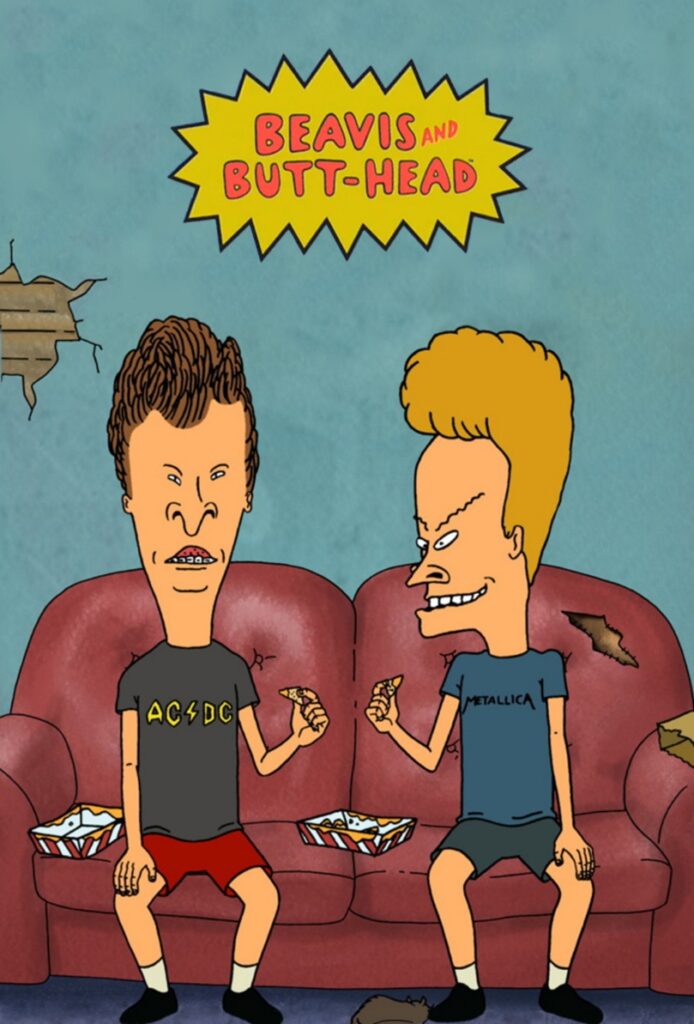
As we entered the new millennium, music videos began disappearing from MTV’s main schedule. Total Request Live (TRL) kept the music alive with a daily countdown, but reality shows — like Jackass and Punk’d — started to dominate. Still, MTV aired plenty of music-related shows, such as Pimp My Ride, Cribs, The Osbournes, Newlyweds: Nick & Jessica, and Making the Band.
Other music-focused programming included Headbangers Ball, MTV Jams, Beavis and Butt-Head (which originally revolved around music video commentary), Club MTV, The Grind, Making the Video, MTV Diary, MTV Sports with its Rock n’ Jock celebrity games, MTV FANatic, Run’s House, Wild ’N Out, Totally Pauly, and Celebrity Deathmatch. MTV truly had something for everyone.
Non-music programming also grew: Half Hour Comedy Hour, My Super Sweet 16, Laguna Beach, The Hills, Jersey Shore and its spinoffs, Catfish, Teen Wolf, and Daria.
MTV even launched a second network, M2 (later MTV2), to return to its music roots. However, MTV2 followed the same path as MTV, and now mostly airs ’90s sitcoms and reruns of MTV original shows.
AMTV, one of MTV’s last music blocks, aired in the early morning hours until 2017. And just like that, the music was gone. The place where we once got music news, MTV Spring Break, and the iconic MTV Unplugged slowly drifted away.
The first music video ever played on MTV was “Video Killed the Radio Star.” How fitting could one song title be? But as we close out 2025, we must ask: has reality TV and social media killed the video star?
Only time will tell. Like one of its legendary programs, MTV, at least the version we knew, is officially unplugged.