Martin Luther King Jr. was born on January 15, 1929, in Atlanta, Georgia, into a close-knit, faith-centered family. Raised in the segregated South, King experienced racism at an early age, including being forced to end a childhood friendship with a white playmate once segregation laws took effect. His father, Martin Luther King Sr., was a respected Baptist minister, and his mother, Alberta Williams King, was a schoolteacher who emphasized education, discipline, and dignity. These early experiences, combined with the moral foundation of the Black church, shaped King’s understanding of justice, faith, and the importance of standing firm in the face of inequality.
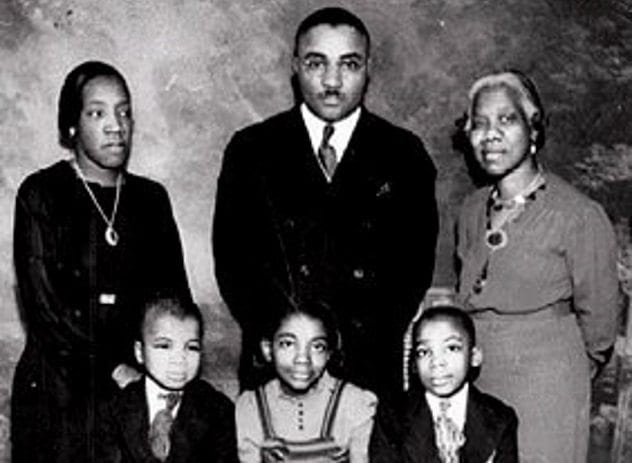
As a gifted student, King skipped grades and entered Morehouse College at just 15 years old. He later attended Crozer Theological Seminary in Pennsylvania, where he excelled academically and was elected student body president. King went on to earn a doctorate in Systematic Theology from Boston University, further sharpening his intellectual approach to social justice. While in Boston, he met Coretta Scott, a talented musician and activist. The two married on June 18, 1953, and built a family rooted in love, faith, and shared commitment to the civil rights movement.
King’s emergence as a national leader came in 1955 during the Montgomery Bus Boycott, sparked by Rosa Parks’ arrest for refusing to give up her seat to a white passenger. As a young pastor at Dexter Avenue Baptist Church, King was chosen to lead the boycott, which lasted 381 days and resulted in the desegregation of Montgomery’s public buses. This victory launched King into the national spotlight and established his philosophy of nonviolent resistance, inspired by the teachings of Jesus Christ and Mahatma Gandhi. He believed that peaceful protest could bring awareness to the injustices many faced in segregated communities.
Throughout his adult life, King played a major role in the Civil Rights Movement, helping to organize marches, boycotts, and campaigns aimed at dismantling segregation and securing voting rights for African Americans. He co-founded the Southern Christian Leadership Conference (SCLC), which coordinated nonviolent protests across the South. King was instrumental in major events such as the Birmingham Campaign, the Selma to Montgomery marches, and the 1963 March on Washington, where he delivered his iconic “I Have a Dream” speech before more than 250,000 people at the Lincoln Memorial. His words called for racial harmony, economic justice, and equality.
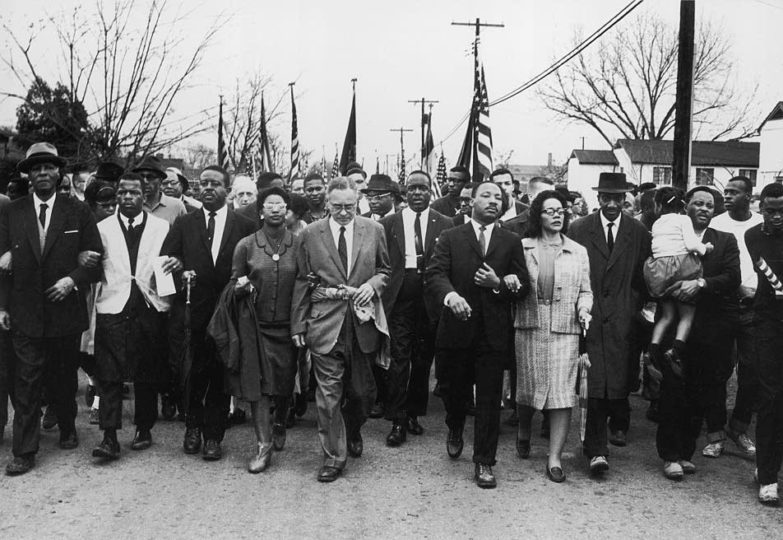
King’s activism came at great personal cost. He faced constant threats, harassment, and surveillance by law enforcement and the FBI. He was arrested 30 times for acts of civil disobedience, including his imprisonment in Birmingham, Alabama, in 1963. While jailed, he wrote the powerful “Letter from Birmingham Jail,” defending nonviolent protest and criticizing white moderates who urged patience over action. King also endured violence directed at his family, bombings of his home, and relentless criticism from both segregationists and Black leaders who felt his methods were too slow or too accommodating.
Despite the pressure, King’s accomplishments were historic. His leadership helped bring about the Civil Rights Act of 1964, which outlawed segregation and discrimination, and the Voting Rights Act of 1965, which protected the right to vote for millions of Black Americans. In 1964, at just 35 years old, King became the youngest recipient of the Nobel Peace Prize, recognized for his commitment to nonviolent social change. In his later years, he expanded his focus to include economic justice, poverty, and opposition to the Vietnam War, believing that true equality could not exist without addressing systemic inequality at every level.
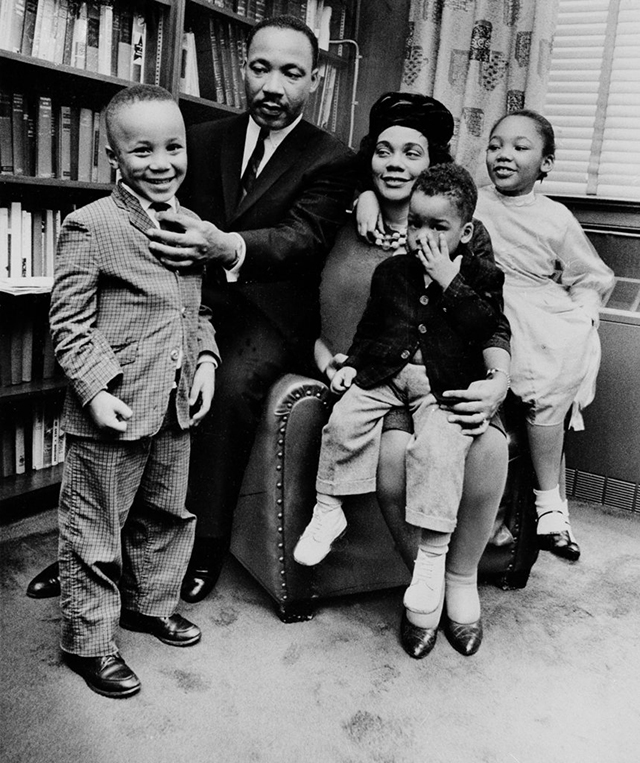
Martin Luther King Jr. was also a devoted husband and father to four children: Yolanda, Martin III, Dexter, and Bernice. Though his demanding schedule often kept him away from home, his family remained central to his life and legacy. Coretta Scott King continued his work after his death, becoming a leading advocate for civil rights and playing a key role in establishing Martin Luther King Jr. Day as a national holiday.
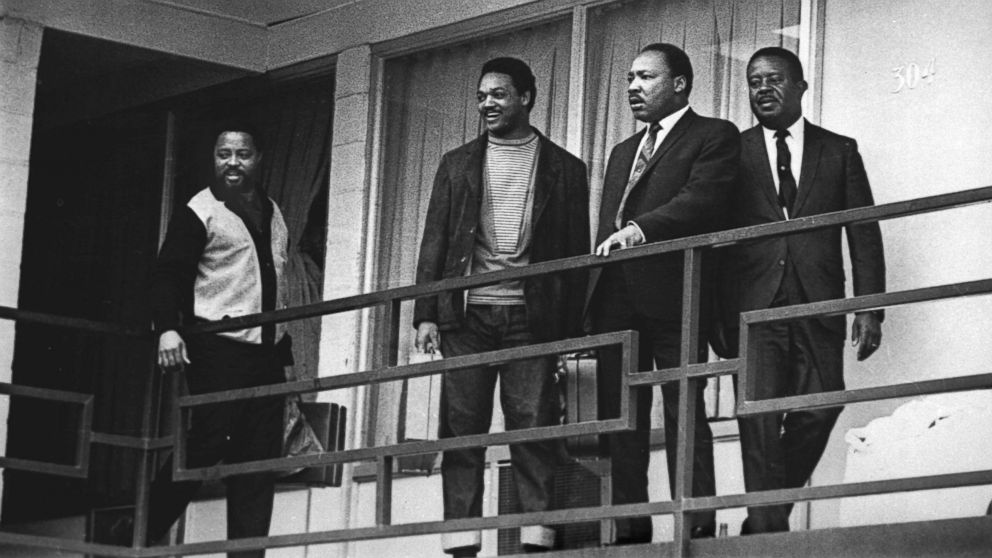
King’s life was tragically cut short on April 4, 1968, in Memphis, Tennessee, where he had traveled to support striking sanitation workers demanding fair wages and safer working conditions. He was assassinated while standing on the balcony of the Lorraine Motel. His death sparked widespread mourning and unrest, but it also solidified his place as one of the most influential leaders in American history.
Sadly, on June 30, 1974, tragedy struck the King family again. Martin Luther King Jr.’s mother, Alberta Williams King, was shot and killed at Ebenezer Baptist Church while playing the organ. The gunman, 23-year-old Marcus Chenault, stated that all Christians were his enemies. He also said his intended target was not Mrs. King, but her husband Martin Luther King Sr.
Martin Luther King Jr.’s legacy endures through his words, his courage, and his unwavering belief that justice, equality, and love are the most powerful forces for change. The Fleet Mag honors him not just today but everyday.