EARLY LIFE
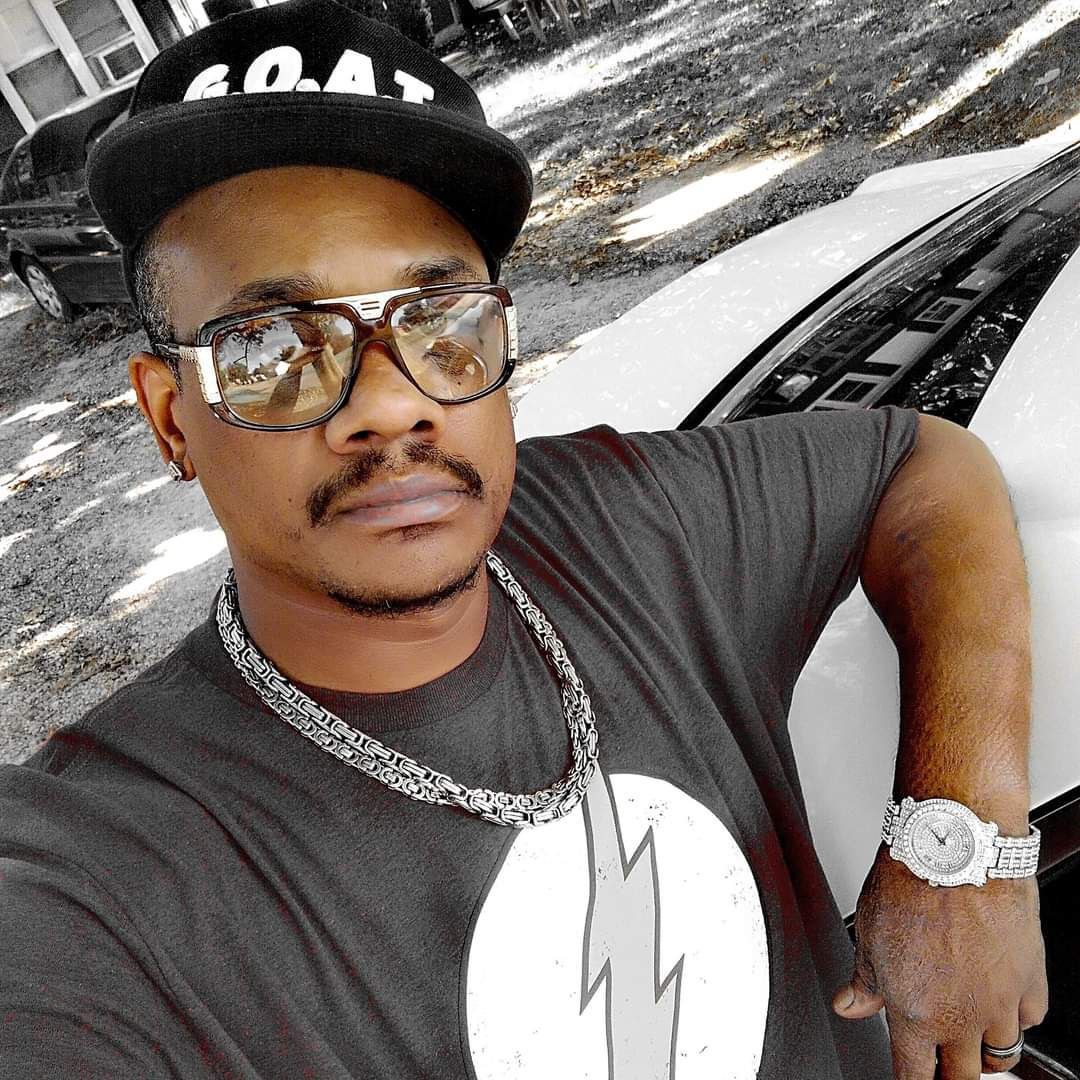
Glenn Clifton Jr., known professionally as rapper “Young Bleed”, was born on June 6, 1974, in Baton Rouge, Louisiana. He began composing and performing rhymes around nine years old. He drew his inspiration from his mother’s poetry and early hip-hop. Young Bleed started out as a teenager making and selling tapes in his community before launching his music career. In 1995, he joined forces with Baton Rouge-based artists C-Loc (rapper and producer), Max Minelli (lyricist), J-Von (vocalist), and Chris Hamilton (beatmaker) to form the group Concentration Camp, a prominent collective in the Southern hip-hop scene that played a role in building his regional reputation. Concentration Camp’s influence extended beyond their local roots, helping to establish a foundation for Baton Rouge’s emergence in hip-hop and nurturing the talents of its members as they rose within the genre. The group also set the stage for Young Bleed and his peers to reach wider audiences and eventually break into the national spotlight as Southern rap gained momentum and recognition across the country.
CAREER
Young Bleed gained national attention when Master P released a remix of his song “How Ya Do
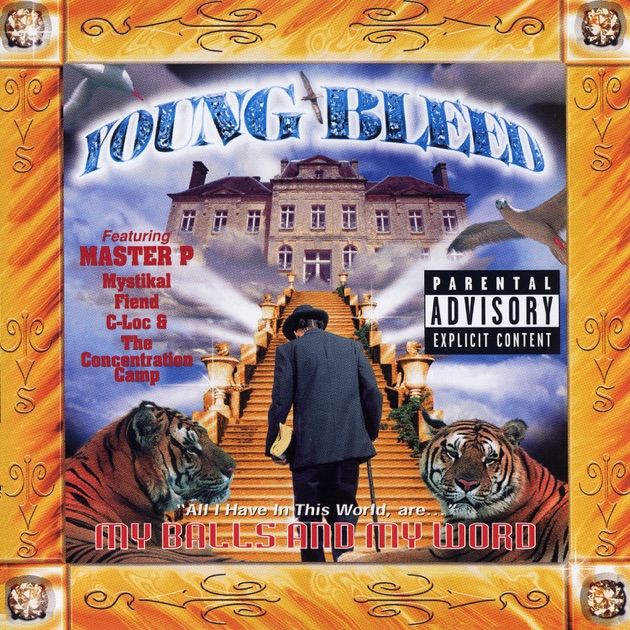
Dat” on the 1997 film I’m Bout It soundtrack. His 1998 debut album, My Balls & My Word, under No Limit/Priority, charted well and cemented his place in Southern rap. Adaptability and prolific output kept him relevant in hip-hop, leading to collaborations with artists throughout the Southern rap scene. His work ethic and mentorship established his legacy as a foundational figure in Southern hip-hop and inspired others beyond Baton Rouge.
THE INFLUENCE OF STORYTELLING STYLE ON REGIONAL IDENTITY
Young Bleed’s approach to storytelling in his music is infused by street smarts and his surroundings, as exemplified in his track “How Ya Do Dat.” Through his lyrics, he offers listeners a glimpse into life in Baton Rouge, capturing the local culture and the realities faced by its residents. This method not only grounds his music in a specific place but also gives voice to the unique struggles and experiences of his community. Young Bleed distinguishes himself from other artists with his unfiltered honesty and vivid depictions of life in the South. His stories are notable for their sincerity and depth, offering an authentic look into his world and personal experiences. By staying true to his roots and representing his region with integrity, Young Bleed has become a unique presence in Southern hip-hop.
Young Bleed passed away on November 1, 2025, at the age of 51 from complications of a brain aneurysm, believed to have been triggered by internal bleeding. He had recently performed at the No Limit vs. Cash Money Verzuz event in Las Vegas and then suddenly collapsed shortly afterwards. His eldest son, Ty’Gee Ramon Clifton, announced his passing via Instagram stating, “As of November first, my dad gained his wings… I love that guy… everything that’s me is him.
REFLECTION
Although his commercial success was most prominent in the late 1990s, his influence is still noticeable in the musical style of Southern rap today. Young Bleed’s career exemplifies the significance of regional voices in hip-hop, illustrating that the genre’s foundation is shaped not only by internationally renowned artists but also by those who contribute local authenticity and cultural momentum. Although his death is a loss, his influence continues. For fans, friends, and researchers of regional rap, his role is still central to the story of Southern rap’s evolution.