From 1987 to about 1994 (almost a decade!), New Jack Swing was the dominant sub-genre in the
Black music market. And just about everyone who was Black (or wasn’t Black—more on that later)
put out a New Jack Swing record.
There were rumblings of sounds similar to New Jack Swing in the early 1980s. Songs produced in the
post-Disco era by artist/producers like Leon Sylvers over at SOLAR Records; L.A. Reid & Babyface
(then members of The Deele); Jimmy Jam & Terry Lewis (from Prince’s camp and The Time); Full
Force (who also spearheaded the Latin-Freestyle movement); and the underrated duo of Kashif &
Paul Laurence were all laying the groundwork.
But it was a young Teddy Riley from Harlem, New York City, who would ultimately spearhead the movement. He learned music as a child in church and became proficient on drums, bass, guitar, and
keyboards. He joined a group produced by music executive Gene Griffin called Kids at Work, which
also featured Clurel Henderson and Timmy Gatling. Alongside that, Teddy began producing Hip-Hop
records for artists like Kool Moe Dee, Slick Rick, and Doug E. Fresh & the Get Fresh Crew.
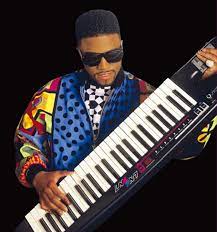
His big breakthrough came with Keith Sweat’s 1987 debut album Make It Last Forever. Teddy’s production style exploded onto the scene—New Jack Swing had entered the chat, and it was on and popping! The sound was young and fresh: the attitude of Hip-Hop blended with the music of 1980s R&B.
At the same time, Teddy was forming a band called Guy, featuring Timmy Gatling and vocalist Aaron Hall. After the release of their self-titled debut in 1988, Gatling left and was replaced by Aaron’s brother, Damion Hall.
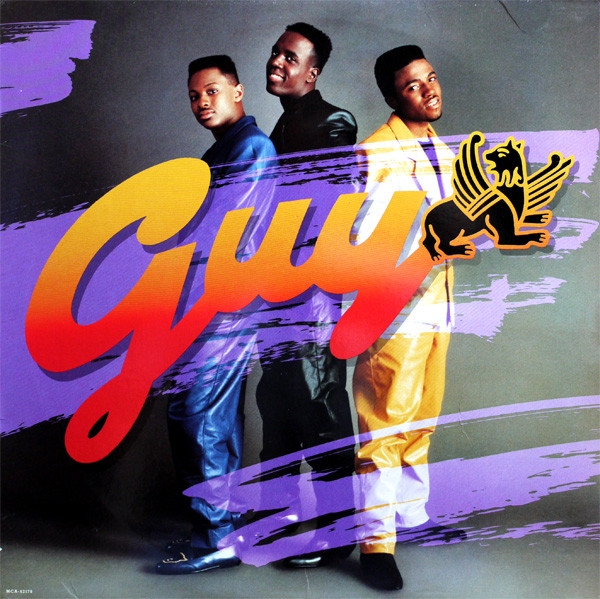
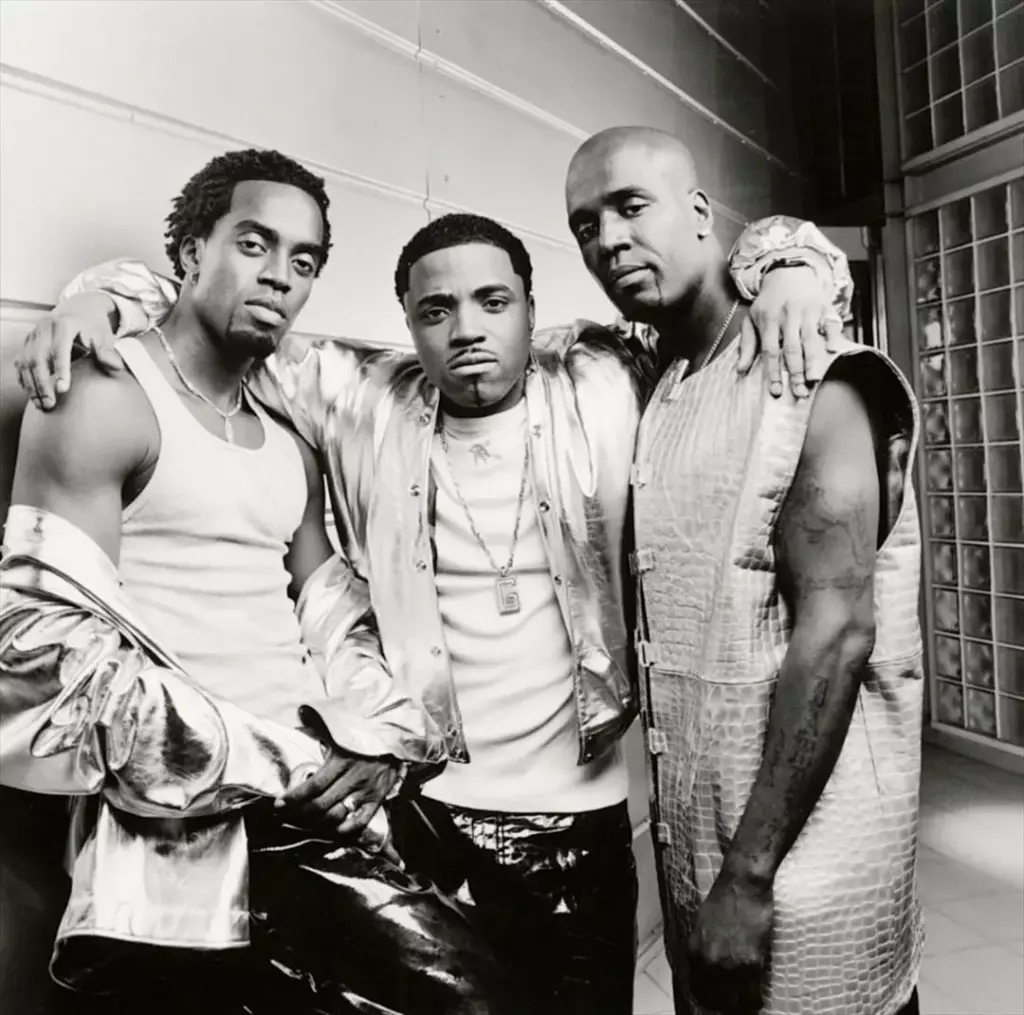
Gatling later enjoyed a successful production career, working with Christopher Williams, The Force M.D.’s, Stephanie Mills, and Bell Biv DeVoe.
With Guy’s success, Teddy became one of the most in-demand producers. The hottest young artist to ride the wave was former New Edition member Bobby Brown. Teddy produced hits for Bobby’s 1988 album Don’t Be Cruel, including the #1 smash “My Prerogative.” L.A. Reid & Babyface also contributed to the album’s success.
Teddy’s influence spread everywhere—working with Culture Club’s Boy George, Debbie Harry of Blondie, LeVert, Heavy D & the Boyz, Hi-Five, Wreckx-n-Effect (featuring Teddy’s brother Markell Riley), Big Daddy Kane, Al B. Sure!, and even returning to his gospel roots with The Winans. He also produced tracks for The Jacksons’ final album 2300 Jackson Street—but this wouldn’t be his last encounter with the famous family.
Soon, the King of Pop himself came calling. Michael Jackson, no longer working with Quincy Jones, wanted a sound that was young and fresh. Enter Teddy Riley. Much of Michael’s 1991 Dangerous album was produced by Teddy, including hits like “Remember the Time” and “In the Closet.” From there, Teddy worked with New Kids on the Block, SWV, DJ Jazzy Jeff & The Fresh Prince, and diva Patti LaBelle.
New Jack Swing became a cultural phenomenon. The Arsenio Hall Show regularly featured New Jack
Swing artists, and In Living Color showcased Fly Girl dance routines to its sound. Movie soundtracks
like House Party, Strictly Business, New Jack City, Juice, Boomerang, Mo’ Money, CB4, Meteor Man,
and A Low Down Dirty Shame were all infused with New Jack Swing, often featuring Teddy’s new
group BLACKstreet (formed after a pause with Guy). Their 1994 self-titled debut was one of the last
true New Jack Swing records.
By the mid-90s, the sound was being phased out by Gangsta Rap, G-Funk, House, and even Grunge Rock. Montell Jordan’s 1995 smash “This Is How We Do It” (not produced by Teddy) was arguably the last major song with New Jack Swing elements.
During its heyday, everyone wanted a piece of the New Jack Swing pie. Guy’s impact was immediate, with Aaron Hall’s vocals influencing a new generation of singers like R. Kelly, Joe, K-Ci Hailey of Jodeci, Montell Jordan, Lil G of Silk, H-Town’s Dino, and more. Groups like Basic Black (formed by Guy’s former manager Gene Griffin) mirrored the style, while Jodeci modernized it. Even groups predating Guy—like New Edition and LeVert—benefited from Teddy’s production blueprint. His influence extended beyond R&B, even shaping House music, with producers like Foster & McElroy, Kyle West, Bernard Belle, Dallas Austin, Jermaine Dupri, and Chuckii Booker using Teddy’s style to create hits for TLC, SWV, and Troop.
The legacy continues today. Bruno Mars’ “Finesse” paid homage to the sound, and DJ Cassidy’s Pass the Mic series (launched during the COVID-19 lockdowns) spotlighted New Jack Swing artists. In 2020, the Teddy Riley vs. Babyface Verzuz battle felt like 1988 all over again. Even video games like Grand Theft Auto: San Andreas features a New Jack Swing radio station (CSR 103.9).
The era may be long gone, but as Aaron Hall once sang, “Teddy jam for me”—the spirit of New Jack
Swing still lives on.
Teddy Riley Discography:
1984 – Kids at Work: Kids at Work
1988 – Guy: Guy
1990 – Guy: The Future
1994 – BLACKstreet: BLACKstreet
1996 – BLACKstreet: Another Level
1999 – BLACKstreet: Finally
2000 – Guy: Guy III
2003 – BLACKstreet: Level I
Teddy’s Jams [Songs produced by Teddy Riley]:
1987 – Keith Sweat: I Want Her
1987 – Johnny Kemp: Just Got Paid
1988 – Guy: Groove Me
1988 – Bobby Brown: My Prerogative
1990 – The Winans: It’s Time
1990 – Hi-Five: (I Like The Way) Kissing Game
1991 – Heavy D & the Boyz: Now That We Found Love
1991 – Michael Jackson: Remember The Time
1992 – Wreckx-n-Effect: Rump Shaker
1993 – SWV: Right Here (Human Nature Remix)
Essential Non-Teddy Records:
1987 – Pebbles: Girlfriend [L.A. Reid & Babyface]
1988 – Al B. Sure!: Off On Your Own (Girl) [Kyle West]
1988 – New Edition: If It Isn’t Love [Jimmy Jam & Terry Lewis]
1988 – Karyn White: The Way You Love Me [L.A. Reid & Babyface]
1989 – Full Force: Aint My Type of Hype [Full Force]
1989 – Heavy D & The Boyz: Somebody For Me [Eddie F]
1989 – Babyface: It’s No Crime [L.A Reid & Babyface]
1989 – Jody Watley: Real Love [Andre Cymone]
1989 – Troop: Spread My Wings [Chuckii Booker]
1990 – Today: Why You Get Funky On Me [Gene Griffin]
1990 – Bel Biv DeVoe: Poison [Dr. Freeze]
1990 – Johnny Gill: Rub You The Right Way [Jimmy Jam & Terry Lewis]
1990 – Tony! Toni! Tone!: Feels Good [Tony! Toni! Tone!]
1990 – Ralph Tresvant: Sensitivity [Jimmy Jam & Terry Lewis]
1990 – Another Bad Creation: Iesha [Dallas Austin]
1990 – Chubb Rock: Treat Em Right [Howie Tee]
1991 – Christopher Williams: I’m Dreamin [Stanley Brown]
1991 – Color Me Badd: I Wanna Sex You Up [Dr. Freeze]
1991 – Boyz II Men: MotownPhilly [Dallas Austin]
1991 – Gerald LeVert: Private Line [Gerald LeVert]
1991 – R.Kelly & Public Announcement: She’s Got That Vibe [R.Kelly]
1991 – TLC: Ain’t 2 Proud 2 Beg [Dallas Austin]
1991 – Jodeci: Come and Talk To Me [DeVante Swing]
1992 – Mary J: Real Love [Cory Rooney]
1992 – Portrait: Here We Go Again [Portrait]
1993 – Janet Jackson: That’s The Way Love Goes [Jimmy Jam & Terry Lewis]
1994 – Patti LaBelle: The Right Kind of Lover [Jimmy Jam & Terry Lewis]
1995 – Montell Jordan: This Is How We Do It [Montel Jordan]
