Though many feel they are underrated in R&B history, Total stands as one of the most distinctive female groups to emerge from the 1990s, blending gritty vocals with a street edge that set them apart from other female entertainers. Discovered by Sean “Diddy” Combs and signed to Bad Boy Records, the trio—Keisha Spivey, Pamela Long, and Kima Raynor—arrived at a time when R&B was evolving beyond traditional ballads and embracing hip-hop’s influence. Total’s image, sound, and attitude reflected a shift of what would later be known as hip-hop soul.
The group first captured attention through appearances on Bad Boy releases, lending their vocals to tracks like The Notorious B.I.G.’s “Juicy” remix and other early label collaborations.
Total released their self-titled debut album in 1996, and it quickly established them as a force in R&B. Songs like “Can’t You See,” “Do You Think About Us,” “Kissing You,” and “No One Else” landed on the Billboard charts, solidifying them as a hitmaking group.
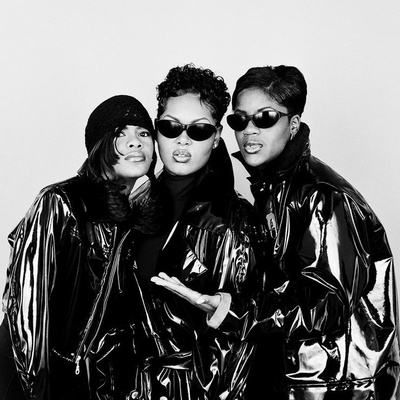
Total’s second album, Kima, Keisha & Pam, released in 1998, further cemented their legacy. The project delivered one of their biggest hits, “Trippin’,” featuring Missy Elliot. The group’s fashion-forward style—dark shades and sleek outfits helped redefine how R&B girl groups could present themselves. Total didn’t fit neatly into any box; they embodied strength, sensuality, and street sophistication in a way that fans gravitated to.
Despite their success, Total’s time together was relatively brief, and the group eventually disbanded as members pursued individual paths. There were also rumors that the group broke up due to a lack of support from the label. However, their influence never faded. Artists who followed embraced the same fusion of R&B smoothness and hip-hop attitude that Total helped popularize. Their music continues to be sampled and streamed, proving its timeless appeal.
Today, Total is remembered not just for their chart-topping hits but for their role in shaping the sound and style of an era. They represented a moment when R&B became bolder with an urban flair that many females were not displaying, and they opened doors for more groups and artists to come.